The iPhone Duo won't steal Samsung's fans. It will squeeze its prices
TrendForce sees Apple at 29.8% of foldables in 2027. We think the real story isn't defections from Samsung but a bigger market where Apple sets the price ceiling.
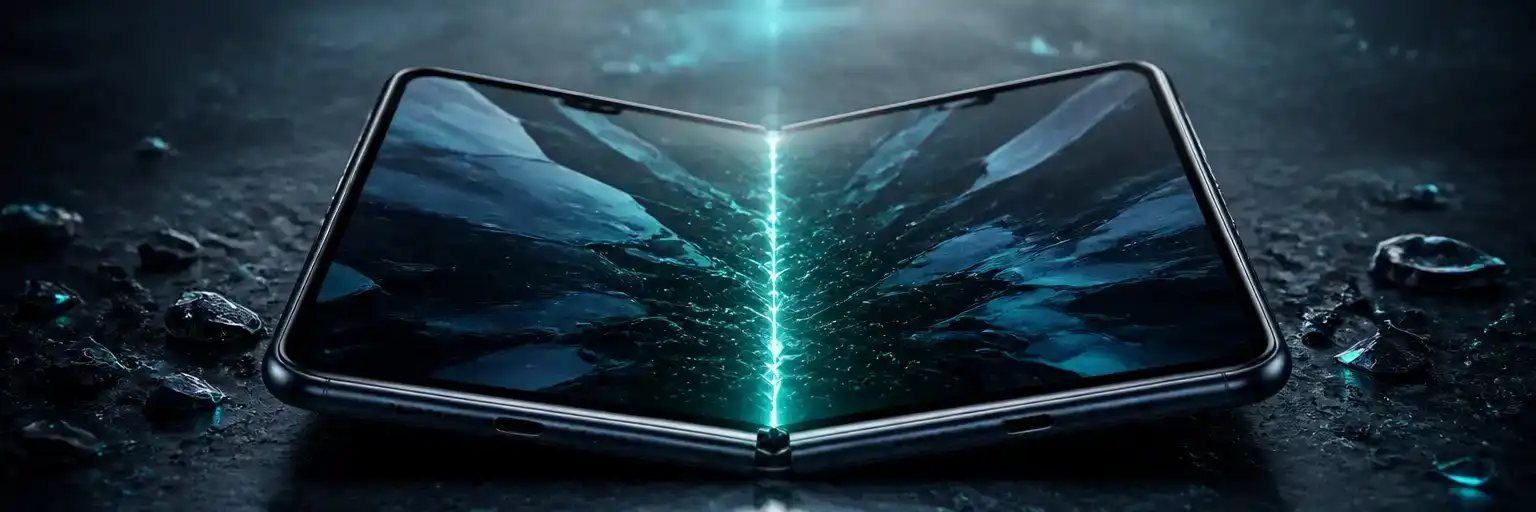
AI-generated image
Is Samsung about to be dethroned? That's the framing the headlines love, and it's the least interesting reading of the data. A foldable market led by one brand is about to get a second giant, and that changes the math for everyone, starting with the price tag.
What TrendForce actually says
According to figures relayed by iGeeksBlog, TrendForce expects Apple to take 29.8% of foldable shipments in 2027, second only to Samsung at 31.9%. The market itself would grow 16.3% to 23.5 million units. In an earlier forecast, TrendForce estimated around 5 million iPhone Duo units in 2026, a 24.8% share, already placing Apple second behind Samsung.
The timing is awkward. The Duo has just been through what PhoneArena calls "Crackgate": Apple acknowledged that some units have screen problems and said it would replace affected ones. Even so, the forecast holds.
A bigger pie matters more than a bigger slice
Look at the numbers again. A 16.3% market expansion is not a zero-sum scenario. If the pie grows, Apple can reach nearly 30% without Samsung shipping fewer foldables. In our view, much of the Duo's volume will come from people who were never going to buy a foldable from anyone else: iPhone owners who stayed away because the category lacked an Apple option they trusted.
That's why we think the "Samsung loses its fans" story is overhyped. Loyalty to One UI, to the Galaxy ecosystem and to the existing lineup doesn't evaporate because a rival shows up. Those buyers have habits, accessories and a watch on their wrist.
Where Samsung should actually worry
The risk is the reference point. Once Apple sells millions of foldables, the Duo becomes the yardstick against which every other book-style foldable is judged: the 7.6-inch inner screen, the 5.4-inch cover display, the finish, the software. Samsung will have to justify its price against that comparison, and the undecided buyer will have a very visible alternative.
Add the cost side. Samsung itself said, on its Q3 earnings call, that memory shortages will worsen in 2027, with supply constraints lasting into 2028. Samsung's memory business is busy selling to AI customers at record profits, while the mobile side faces cost pressure. Our reading, and it is only that: building a foldable gets more expensive just as a deeper-pocketed competitor arrives. Apple can absorb that kind of squeeze better than most.
Huawei is the other name in the forecast, slipping to 21.3% according to Chiprook's summary. A three-way fight at the top leaves little room for anyone to charge extra just for the logo.
Verdict
Treat 29.8% as a forecast, not a fact. It comes from a market researcher, it predates months of real-world durability data, and the cracking reports could dent it. But even if Apple lands a few points lower, the direction is clear. If you're a Galaxy foldable owner, nothing changes today. If you're planning to buy a foldable in 2027, wait and compare: this is the first time the segment may deliver real bargaining power to buyers. Samsung's fans will probably stay. Its margins are the ones that should be nervous.
No topics yet: start the first one.
More stories
Apple's MIE jailbreak patch shows hardware security buys time, not immunity
A jailbreak got through Apple's flagship memory protection and most of its bugs were patched soon after. Hardware raises the cost of attacks, but updating fast is still your best defense.
The touch MacBook Pro is the Mac's iPhone moment, and the OLED premium is a hard sell
Dynamic Island and a touchscreen show Apple pulling the Mac toward iPhone logic. The extra €400 to €500 for OLED is much harder to defend than the idea behind it.

The iOS 27.2 selfie check is fine. Putting the gate in the OS is the problem
Apple's new on-device age check sounds privacy-friendly, but a face scan built into iOS is a tool any lawmaker can point at. Apple should say where it stops.

Apple admits the iPhone Duo screen problem. Now it has to fix the policy
A replacement offer is a start, not an answer. Apple still owes buyers a promise that covers everyone, no blame on users, and a straight explanation of why the screens break.