Samsung's One UI 9: Redefining Android's Update Narrative
Samsung's swift and broad rollout of One UI 9 (Android 17) across its diverse Galaxy lineup demonstrates a significant shift, challenging long-held Android fragmentation issues and enhancing user experience with accessible new AI features.
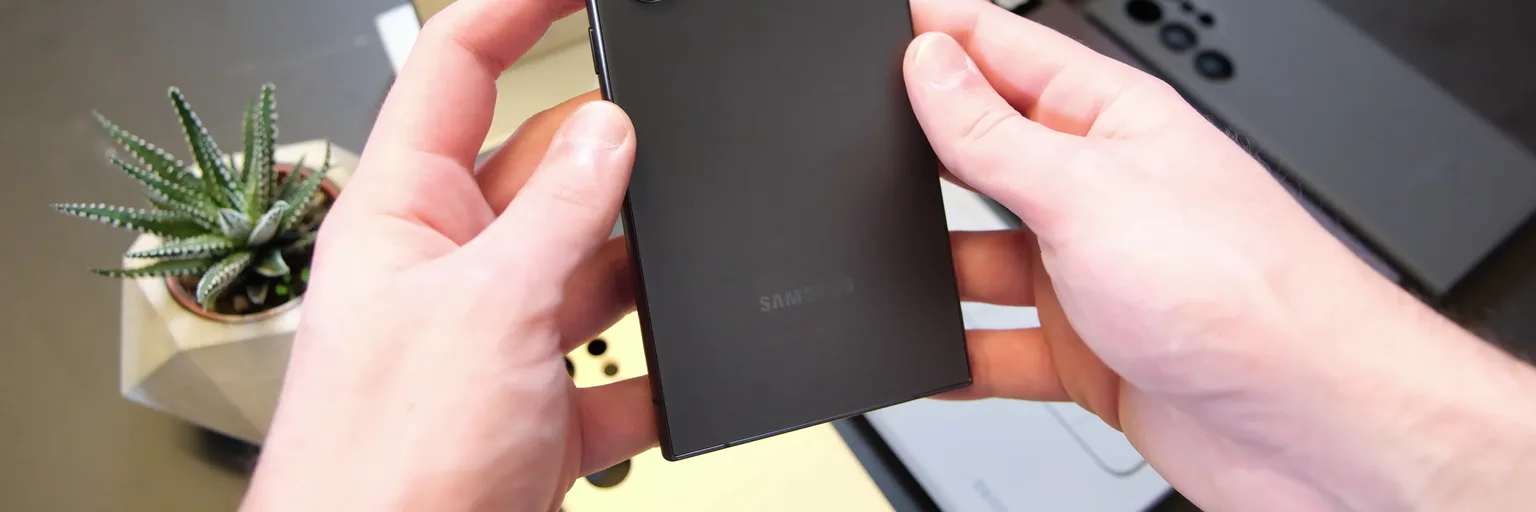
AI-generated image
For years, the Android ecosystem has been haunted by the specter of fragmentation: a seemingly endless wait for major OS updates that often left devices feeling outdated prematurely. But what if one of Android's biggest players is systematically dismantling that narrative, device by device? Samsung, with its assertive rollout of One UI 9, based directly on Android 17, is doing just that, delivering timely software upgrades to an impressively wide array of smartphones, from its cutting-edge flagships to its more accessible mid-range models.
This isn't just another incremental update. One UI 9 marks a deliberate alignment with the core Android version, with Samsung shifting its naming scheme so that One UI 9 now directly matches Android 17, ending the historical offset that often confused users, as noted on Reddit. The stable version has already begun its journey, initially gracing the Galaxy Z Fold 8, Z Fold 8 Ultra, Z Flip 8, and the Galaxy S26 FE at launch, as reported by SamMobile. More recently, the update has expanded rapidly, reaching the Galaxy S23 series, including the S23, S23+, and S23 Ultra, and a host of popular A-series devices such as the Galaxy A57, A56, A37, A36, and A27, according to Frandroid and Gizchina. This broad distribution sends a clear message about Samsung’s renewed commitment to software longevity and user satisfaction.
Beyond the Flagships: A Commitment to the Core User
Perhaps the most compelling aspect of this rollout is its sheer breadth. Historically, rapid Android updates were often reserved for the latest and greatest flagships, leaving owners of older premium models or more affordable devices in a prolonged state of anticipation. With One UI 9, Samsung is upending this tradition. The inclusion of devices like the Galaxy S23 series, which launched in 2023, and multiple generations of foldables such as the Galaxy Z Fold 5 and Z Flip 5, alongside the current S26 and Z Fold 8 series, speaks volumes. Even more impactful is the concurrent rollout to the popular mid-range Galaxy A series, bringing the latest Android experience to a crucial segment of Samsung's user base. This strategy ensures that a significant portion of Galaxy owners, not just those with the newest and most expensive phones, can enjoy the benefits of Android 17.
This widespread update policy directly combats the perception of Android fragmentation, a challenge often cited against the platform. By pushing updates to a vast range of devices simultaneously, Samsung demonstrates that it prioritizes a consistent and up-to-date user experience across its ecosystem. While regional availability may vary, and some S26 owners in the U.S. initially experienced delays as How-To Geek reported, the overall trend points to an accelerated and inclusive update process. The eligible phones are also well within Samsung's stated seven-year software support window, further solidifying the value proposition for consumers investing in a Galaxy device.
AI at the Forefront: Smarter, More Secure Experiences
The upgrades in One UI 9 are not merely cosmetic; they integrate a suite of advanced features, many of which leverage artificial intelligence to enhance daily interactions.
No topics yet: start the first one.
More stories
Galaxy OS: Samsung's AI-Driven Revolution Goes Beyond a Simple Rebrand
Samsung's rumored move to rebrand One UI 10 as 'Galaxy OS' in 2028 signifies a profound strategic shift, aiming to unify its sprawling ecosystem and redefine the Android experience with a deeply integrated, agentic AI.

One UI 9's 'Access Denied' Error: A Stability Wake-Up Call for Samsung
The recent rollout of Samsung's One UI 9 update has left some Galaxy users, particularly on the A57, grappling with critical 'Access Denied' errors, underscoring the vital need for stringent software testing to safeguard user trust.

Don't Settle: 5 Galaxy Settings to Unlock Your Phone's Hidden Power
Your new Samsung Galaxy hides its true potential behind conservative default settings. A few essential tweaks to navigation, power, display, audio, and notifications will deliver a vastly superior experience.
Samsung Wallet's USDC Move: A Quiet Revolution in Global Payments
By embedding USDC transfers directly into 82 million US Galaxy phones, Samsung isn't just adopting stablecoins; it's poised to fundamentally alter cross-border transactions and pressure the entire mobile payment ecosystem.