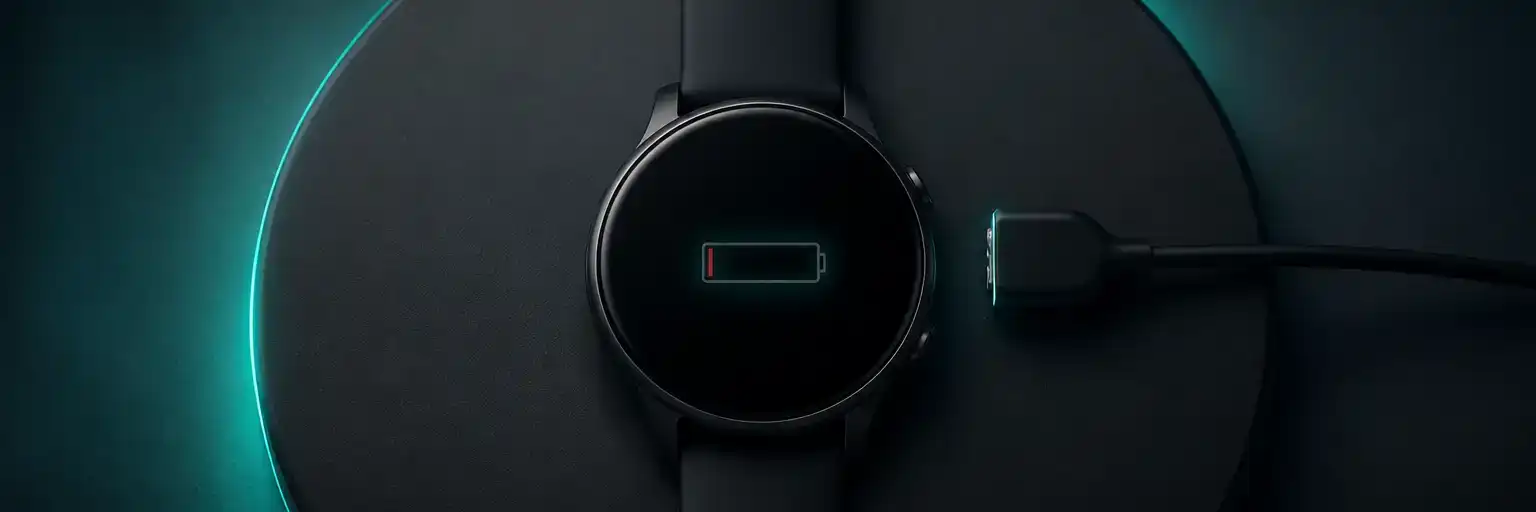
Samsung skipping Galaxy Watch in 2027 is a cost cut, not a strategy
A reported two-year cycle for Galaxy Watch looks less like patient innovation and more like a company trimming costs. Buyers should get longer update promises in return.
Photo: Dinkun Chen / Wikimedia Commons (CC BY-SA 4.0)
When a company stretches a product cycle and calls it breathing room for innovation, check the balance sheet first. Samsung reportedly plans to skip a new Galaxy Watch in 2027, and the polite reading is that it is giving engineers room to breathe. We don't buy it.
What is actually reported
Per ETNews, as relayed by ceotech.it, Samsung will not launch a new Galaxy Watch in 2027 and will move to a two-year update cycle. That would end nine consecutive years of annual releases, which began in 2018. The Galaxy Watch 9 and Galaxy Watch Ultra 2 debuted at the July Unpacked. If the report holds, the Galaxy Watch 10 wouldn't arrive before 2028.
This is a report, not an official announcement. Several Italian outlets frame it as a rumor, and Tom's Hardware Italia stresses it is not confirmed. Coverage points to rising component costs and a struggling division. Pixel Srl even mentions two quarters of losses. Software updates and a possible Galaxy Fit 4 would fill the gap.
The innovation argument doesn't hold up
A two-year cycle could allow bigger jumps, and that is the optimistic take in some coverage. But smartwatches haven't been starved of time. In our view, year-to-year changes in this category have been incremental for a while. If annual releases were producing real leaps, Samsung probably wouldn't be dropping them just as costs bite.
The timing says more than any corporate language will. Trusted Reviews headlines its piece "blame RAM prices". Memory costs are already hitting Samsung's phones. According to hwupgrade.it, the Galaxy S26 has cost up to 200 euros more in Europe since October, and a report suggests Galaxy A prices could rise up to 18.6% in 2027. Against that, a watch that has to be redesigned, validated and marketed every year is an easy line to cut. Our reading is that it's a margin decision dressed up as a roadmap.
Longer cycles are good for you, if the software keeps up
Here is the upside. Most people don't need a new watch every year. A two-year rhythm means the watch you buy today stays current longer, and it probably holds its value better. We think that is a fair outcome for buyers, and arguably overdue.
But it only works if the software side delivers. A watch that stays on sale for two years needs to be supported well beyond that. We haven't seen any update commitment for Galaxy Watch attached to this report, so we won't invent one. Samsung does promise six years of updates on phones like the Galaxy A57, per Punto Informatico. That is the benchmark. If Samsung stretches hardware cycles, it should state a comparable, explicit promise for watches, and for the health features that depend on software.
Competitors are the other risk. As cellulare-magazine.it notes, a longer cycle leaves rivals more room to win buyers. A gap year is a gift to anyone shipping a new watch in 2027.
Our verdict
Don't read this as a sign of wise pacing. Read it as a sign that wearables have become a product Samsung is less willing to subsidize with a yearly launch. That isn't a catastrophe. For you, the practical advice is simple: if you own a Galaxy Watch 8 or 9, there's no reason to feel behind. If you're buying now, favor the model that gets the longest software support, and ask Samsung to put that in writing. A slower cadence is fine. A slower cadence with no update promise is just less product.
No topics yet: start the first one.
More stories
Samsung and Google's Gemini glasses win or lose on trust, not specs
A 12 MP camera and 9 hours of battery are table stakes. The glasses arriving December 10 will matter only if they work across phones and stay honest about privacy.
Samsung kept its Galaxy Watch 4 promise, and that's exactly the problem
Engadget reports the Galaxy Watch 4 got the four updates it was promised. Fine, but a promise owners must decode themselves is not much of a longevity pitch.
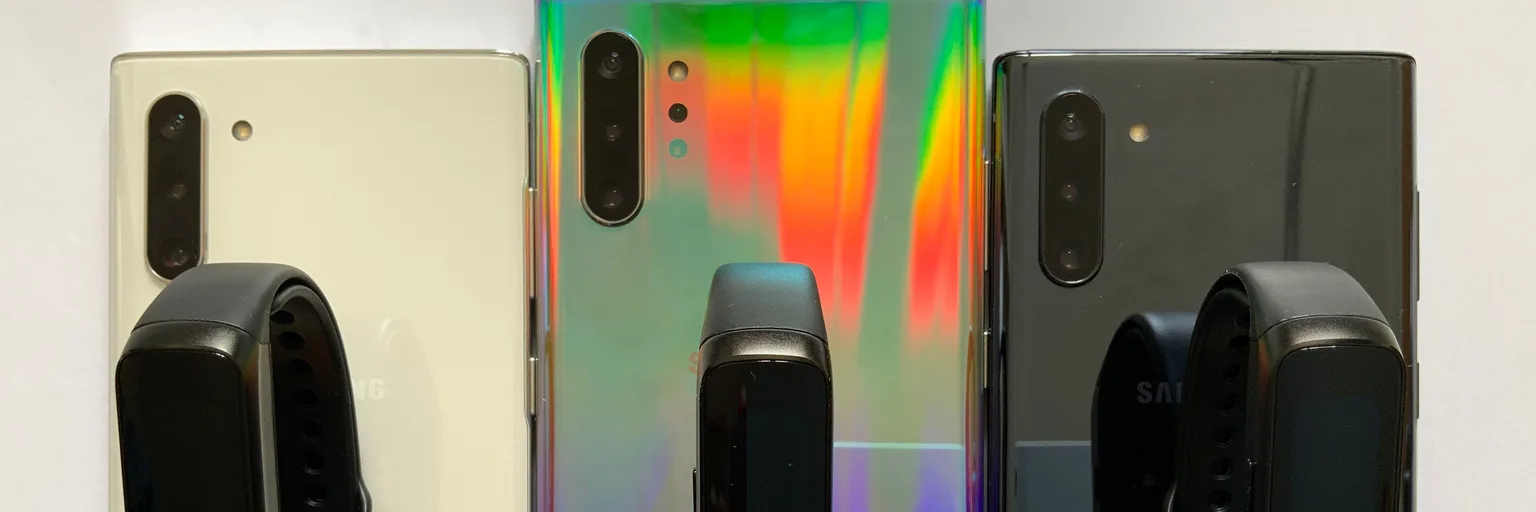
Galaxy Fit4 only makes sense if Samsung treats it as a real budget band
The leaks describe a Fit3 with a taller screen and a Bluetooth upgrade. That is fine, but only a sharp price and serious battery life would give the Galaxy Fit4 a reason to exist.
"A small number" is not a fix: Google's Pixel Watch battery problem
Google says a fix for the Pixel Watch battery drain is coming, but "a small number of Pixel Watch users" and no timeline is a familiar way of shrinking a wearable defect.