Flagship Phones of 2026: Why Polished Evolution Trumps Revolution
The high-end smartphone market of 2026, headlined by the iPhone 18 Pro, Galaxy S26 Ultra, and Pixel 11, clearly demonstrates an industry focused on refinement and loyalty, not radical innovation.
AI-generated image
Is the era of groundbreaking smartphone innovation behind us? In 2026, as we examine the latest devices from Apple, Samsung, and Google, it certainly feels that way. The industry’s top offerings, including the iPhone 18 Pro, Samsung Galaxy S26 Ultra, and Google Pixel 11, represent the pinnacle of current mobile technology. Yet, they also underscore a significant shift: as GQ México y Latinoamérica notes, the relentless pursuit of the next 'big revolution' has largely been abandoned in favor of polished evolution.
Indeed, 2026 is the year the smartphone industry has largely moved past grand, transformative leaps. Instead, we are witnessing a maturing market where manufacturers focus on perfecting existing technologies and enhancing the overall user experience. The question for consumers is no longer "what new thing can my phone do?" but rather "how much better can my phone do what it already does?" This shift marks a new era for premium devices.
The Maturity of Mobile Tech: When Evolution Becomes the Goal
The core technologies that define a premium smartphone — screens, processors, cameras, and battery life — have reached impressive levels of sophistication. There's less room for radical improvements, leading companies to prioritize refinement. The Samsung Galaxy S26, for example, is highlighted as an "absolute reference in Android" with "brutal power" and a "Dynamic AMOLED QHD+ screen up to 120 Hz," according to MaxMovil. These aren't new concepts, but rather the pinnacle of existing display and processing capabilities, pushed to their current maximum.
Similarly, the iPhone 17 Pro continues Apple's tradition of setting a benchmark, being called a "timeless reference" by Expansión. These devices stand out for their robust performance, seamless software integration, and consistent quality rather than introducing a feature that completely redefines the smartphone experience. The incremental gains, like slightly improved cameras or more efficient processors, are significant enough for an upgrade, but they don't fundamentally alter how we use our devices.
Loyalty Over Novelty: Why Consumers Stick with What Works
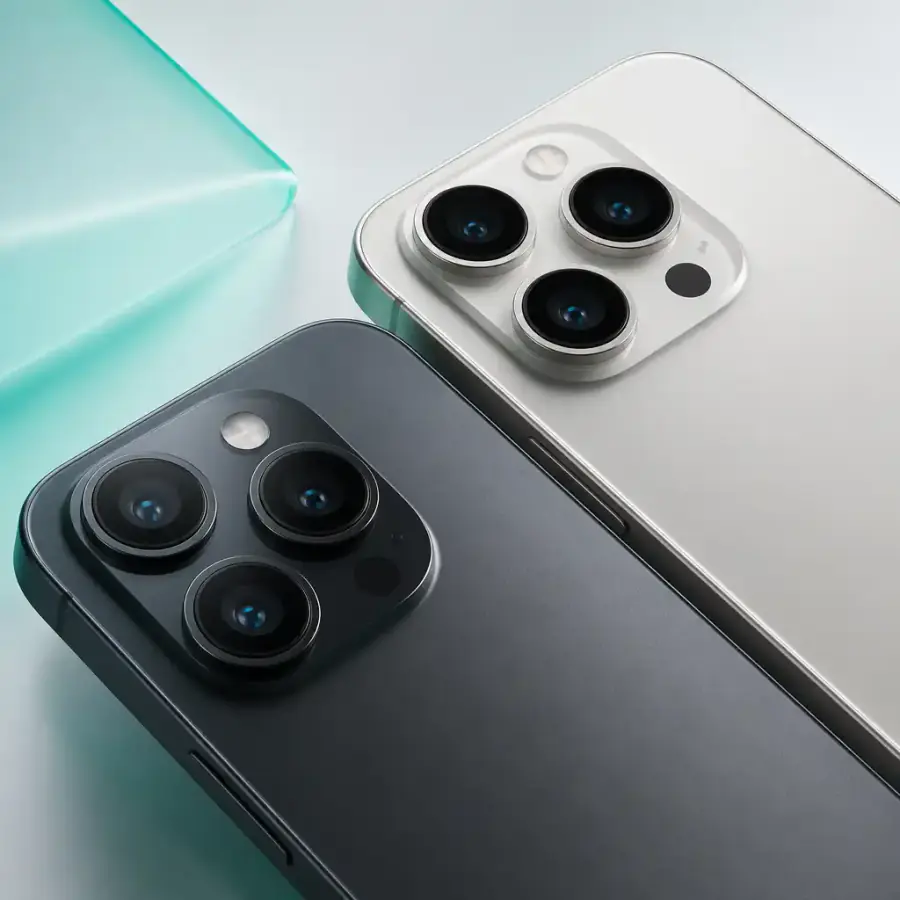
In a market where major leaps are rare, brand loyalty and established ecosystems play an even greater role. Consumers are increasingly making purchasing decisions based on their existing preferences and the reliability of a brand, rather than being swayed by groundbreaking features from a competitor. The discussions around which 2026 flagship to buy — iPhone 18 Pro, Galaxy S26 series, or Google Pixel — often revolve around nuanced comparisons of performance, camera capabilities, and ecosystem compatibility, as seen in expert analyses from Mashable and Cnet.
The choice between the iPhone 18 Pro, Pixel 11 Pro, and Galaxy S26 Ultra highlights a battle of refinement. For instance, dpreview.com notes that the iPhone and Pixel share a smaller 6.3-inch format, while the Samsung aligns more with Apple's Pro Max class. These are subtle distinctions, not game-changing innovations. Users are looking for the best version of a phone they already know and trust, solidifying their existing brand allegiances.
Value and Accessibility Drive the Market
Even in the high-end segment, the conversation around value is becoming more prominent. With new phones offering less in the way of revolutionary features, many users are looking for the best deals on slightly older flagships or premium mid-range devices. Reports from Topes de Gama about significant price drops on models like the Samsung Galaxy S25, and general guides for "best quality-price mobiles" from outlets like El Independiente and MovilZona, indicate a broader market trend towards maximizing investment. This trend is likely to intensify, especially with forecasts of price increases for future models like the Samsung Galaxy S27 series due to rising component costs.
Ultimately, 2026 cements the idea that the smartphone market has reached a new equilibrium. Flagship phones like the iPhone 18 Pro, Samsung Galaxy S26 Ultra, and Google Pixel 11 are not trying to reinvent the wheel. Instead, they are meticulously perfecting it, offering consumers a highly refined, reliable, and powerful experience. The focus has shifted from the dazzling allure of the 'new' to the compelling comfort of 'better,' making brand loyalty and incremental improvements the true drivers of the high-end market.
No topics yet: start the first one.
More stories
Vivo X Fold 6's European Gambit: Is the €2,199 Price a Bold Play or a Misstep?
Vivo is entering the highly competitive European foldable market with its X Fold 6 at a premium price, signaling ambition but facing significant hurdles against established players.

Honor Magic 9's Chinese Triumph Signals a Shifting Android Landscape
The Honor Magic 9 series' unexpected sales surge in China isn't just a win for the brand; it marks a significant resurgence that could redefine the competitive dynamics among Android heavyweights and even challenge Apple's dominance.